

Do I Need Protein Shakes To Build Muscle Naturally
A friend of mine spends $87 a month on protein powder. He drinks two shakes a day, never misses his post-workout scoop, and still looks exactly the same as he did three years ago.
Meanwhile, my other training partner hasn’t touched a supplement in six years. He eats four meals a day, cooks everything at home, and added 14 pounds of lean mass without a single shaker bottle.
I tell this story because the protein shake question isn’t really about biology. It’s about marketing. And most people never stop to ask whether they’re buying a solution or just buying a habit.
The short answer: no, you do not need protein shakes to build muscle. Not physiologically. Not for convenience. Not even for speed. The long answer is where things get interesting.
What Actually Builds Muscle
Muscle growth isn’t triggered by a brand. It’s triggered by a process called muscle protein synthesis, or MPS. You lift heavy things. You create micro-tears in muscle fibers. Your body repairs those fibers slightly thicker than before. That’s hypertrophy.
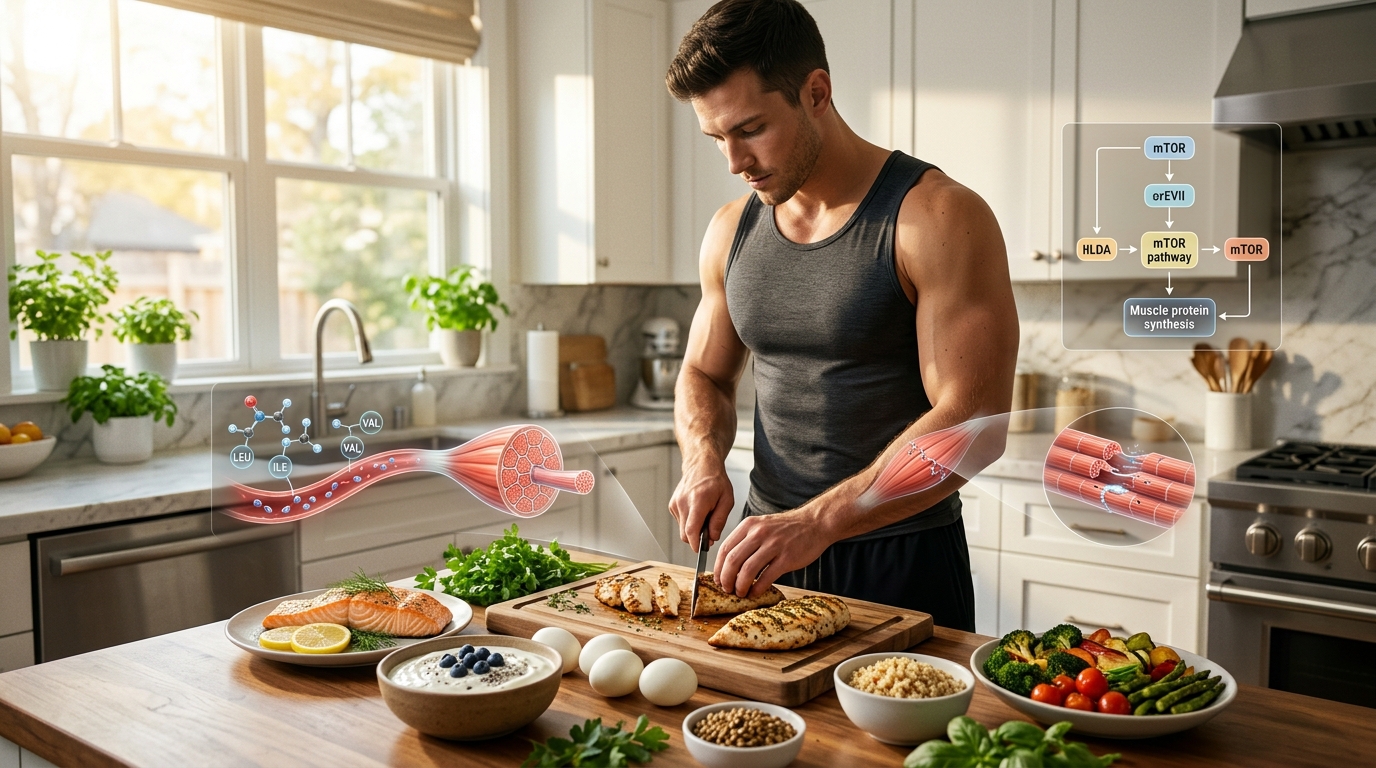
The fuel for that repair is amino acids. Specifically, nine essential amino acids your body cannot make on its own. The most important of these is leucine. Leucine flips a switch called the mTOR pathway, and that switch tells your body to start building new muscle tissue.
Here’s what matters: your body doesn’t know if leucine came from a chicken breast or a $60 tub of whey isolate. The mTOR pathway has no idea what brand you bought. It only recognizes molecules.
A 6-ounce chicken breast gives you about 2.5 grams of leucine. A scoop of whey gives you roughly the same. One costs roughly $1.50 at the grocery store. The other costs about $1.80 per serving when you buy the mid-tier brand.
The biology is identical. The packaging is not.
Where Protein Shakes Actually Come From
Whey is a byproduct of cheese manufacturing. For decades, dairy producers treated it as waste. They dumped it. Then someone figured out how to spray-dry it into powder, flavor it with sucralose, package it in black plastic tubs with aggressive fonts, and sell it back to us at a 600% markup.
This doesn’t make whey evil. It makes it a processed food product with excellent marketing. Bob Hoffman sold weight gain powders in the 1940s. Joe Weider built an empire on supplements in the 1960s. The shaker bottle became a cultural symbol somewhere around 2005, right around the time supplement companies started sponsoring every fitness influencer with a YouTube channel.
We associate the rattling sound of a blender ball with getting results because we’ve been conditioned to. Not because the biology demands it.
Old-school bodybuilders like Reg Park and Steve Reeves built championship physiques on whole milk, eggs, beef, and oatmeal. They didn’t have isolates. They didn’t have post-workout windows timed to the minute. They just ate food and lifted hard.
The Real Protein Math
The International Society of Sports Nutrition recommends 1.4 to 2.0 grams of protein per kilogram of bodyweight for building muscle. For a 180-pound person, that’s roughly 115 to 165 grams of protein daily.
Here’s what 150 grams from whole food looks like:
-
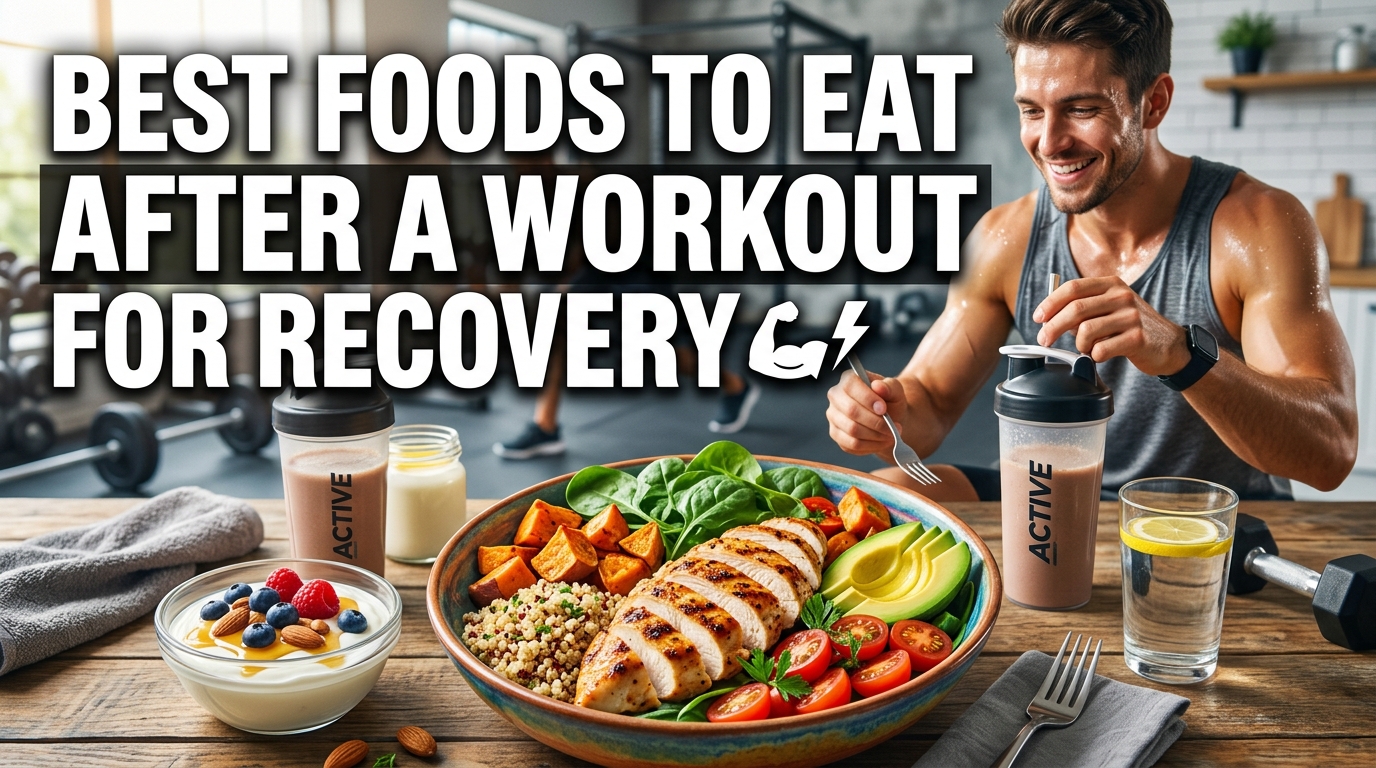
Breakfast: 3 large eggs and 1 cup of Greek yogurt (42g)
-
Lunch: 6 ounces of chicken breast over quinoa (48g)
-
Snack: 1 cup of cottage cheese (25g)
-
Dinner: 6 ounces of salmon with lentils (40g)
That’s 155 grams. No powder. No supplements. Just food.
The argument for shakes usually hinges on speed. Whey digests fast. It spikes amino acids in the bloodstream within 60 to 90 minutes. Whole food, especially when eaten with fiber and fat, digests slower. A steak might release amino acids over five or six hours.
But here’s the thing: total daily protein intake determines muscle growth. Not the speed of digestion. The anabolic window isn’t a 30-minute emergency. It’s a 24-hour balance sheet.
If you ate a protein-rich meal two or three hours before your workout, amino acids are still circulating when you finish. You don’t need to slam a shake to prevent muscle loss. Your body isn’t that fragile.
The Money Problem
Let’s talk dollars. Here’s a cost comparison per 30 grams of protein
| Source | Cost per 30g Protein |
|---|---|
| Whey protein (mid-tier brand) | $1.60 to $2.20 |
| Chicken breast (bulk, raw) | $1.10 to $1.50 |
| Large eggs (by the flat) | $0.90 to $1.30 |
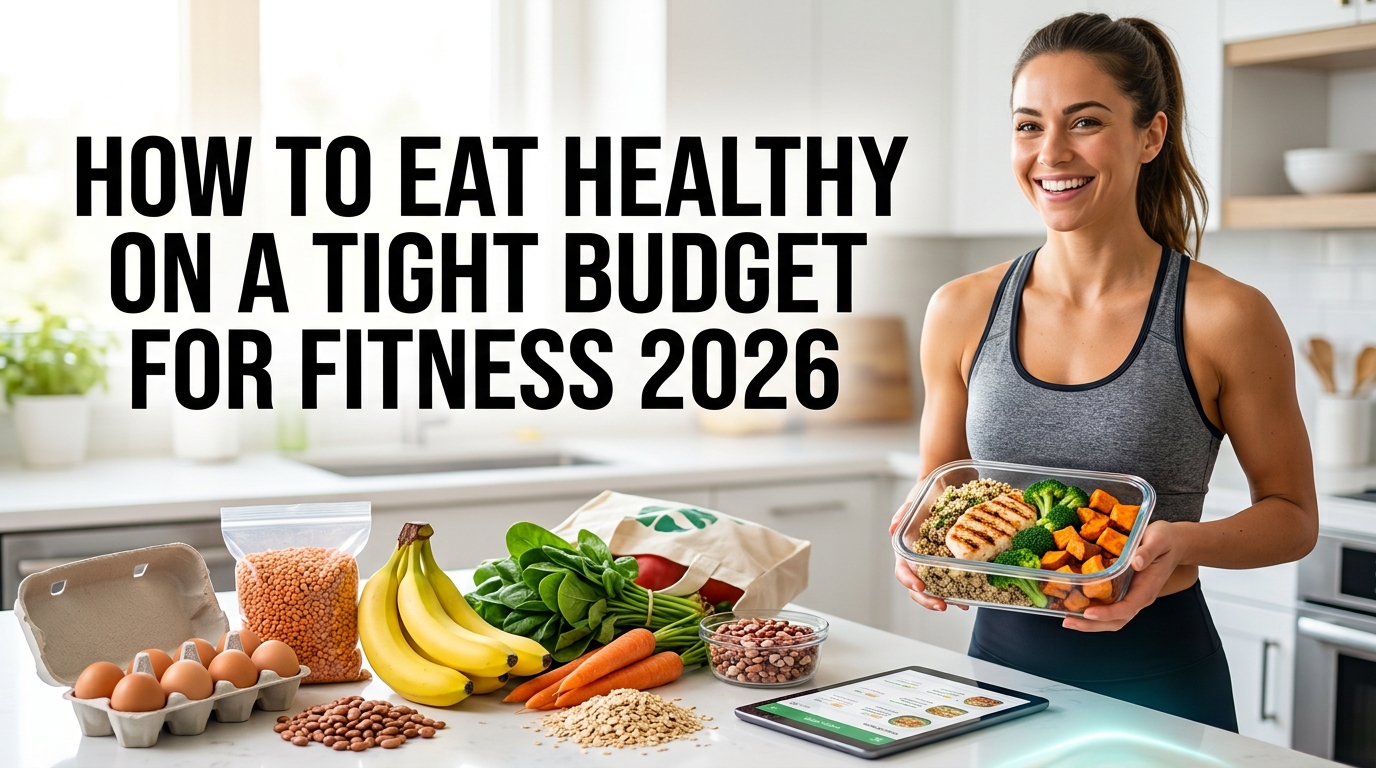
| Lentils (dried, bulk) | $0.40 to $0.60 |
| Greek yogurt (plain, large tub) | $1.00 to $1.40 |
| Canned tuna | $1.00 to $1.80 |
Whey protein is almost never the cheapest option. And that’s before you factor in the hidden costs: the milk you mix it with, the shaker bottles that crack and need replacing, the flavor fatigue that makes you throw away half a tub of Cookies and Cream because you can’t stomach it anymore.
The supplement industry also has a quality problem. Amino spiking is a real thing. Some manufacturers add cheap amino acids like glycine to their powder, artificially inflating the protein count on the label. Your body can’t use glycine for muscle building the way it uses leucine. But the lab test reads “protein” either way.
If you buy protein powder, look for NSF Certified for Sport or Informed Choice seals. Those mean a third party actually tested what’s inside. Without those seals, you’re trusting a company to police itself. The FDA doesn’t require pre-market safety testing for supplements the way it does for food.
The Gut Issue Nobody Discusses
Drink two shakes a day for years and you might notice something: your digestion gets weird. Bloating. Gas. A vague sense that your stomach isn’t happy.
Whey protein moves through your stomach fast. Liquid doesn’t require the mechanical breakdown that solid food does. That rapid gastric emptying means you miss out on what nutrition scientists call the cephalic phase of digestion. Your body barely registers that you ate.
Over time, a diet heavy in shakes and light on whole foods can shift your gut microbiome. You lose bacterial diversity. You consume less fiber. The artificial sweeteners in most flavored powders don’t help either. Sucralose and acesulfame potassium have been shown in some research to alter gut bacteria populations.
Whole food does the opposite. Chewing triggers digestive enzyme production. Fiber feeds beneficial bacteria. The food matrix itself slows absorption in ways that benefit satiety and metabolic health.
I learned this one the hard way. Two years of heavy whey consumption left me with digestive issues I didn’t connect to my diet until a nutritionist pointed out the pattern. Switching to Greek yogurt, eggs, and slow-cooked meats fixed what three different supplement brands couldn’t.
When You Might Actually Need Shakes
I don’t hate protein powder. I just hate the idea that it’s mandatory. There are real situations where it helps.
You’re a hardgainer with a tiny appetite. If eating 3,000 calories of whole food makes you gag, drinking some of those calories is a practical solution.
You work 12-hour shifts with no protected break. A nurse or construction worker who can’t sit down for a full meal every four hours might genuinely need the convenience.
You’re an elite athlete pushing 4,500 calories a day. At some point, the sheer volume of whole food becomes a digestive challenge. Liquids help bridge the gap.
You’re traveling and need something stable. A few packets of protein powder in a suitcase beat relying on airport food for hitting your targets.
You’re recovering from surgery or illness. When appetite is suppressed and healing demands are high, liquid nutrition serves a medical purpose.
For everyone else, the 9-to-5 professional with a kitchen, or the beginner who needs 120 grams a day, or the meal-prepper who cooks on Sundays, shakes are a luxury, not a necessity.
How to Build a Food-First Muscle Diet
Pick your target. Multiply your bodyweight in pounds by 0.7 to 1.0. That’s your daily protein goal in grams. A 170-pound person targets 120 to 170 grams.
Divide that number by the number of meals you actually eat. Most people eat three or four. That’s 35 to 50 grams per meal.
Build each meal around a protein anchor:
-
6 oz chicken breast: 48g
-
6 oz ground beef (90% lean): 44g
-
1 cup tempeh: 34g
-
1 cup Greek yogurt: 20g
-
3 large eggs: 18g
-
1 cup cottage cheese: 25g
-
6 oz salmon fillet: 40g
-
1 cup cooked lentils: 18g
Add carbohydrates and fats around the anchor. Rice. Potatoes. Avocado. Olive oil. Vegetables for fiber and micronutrients.
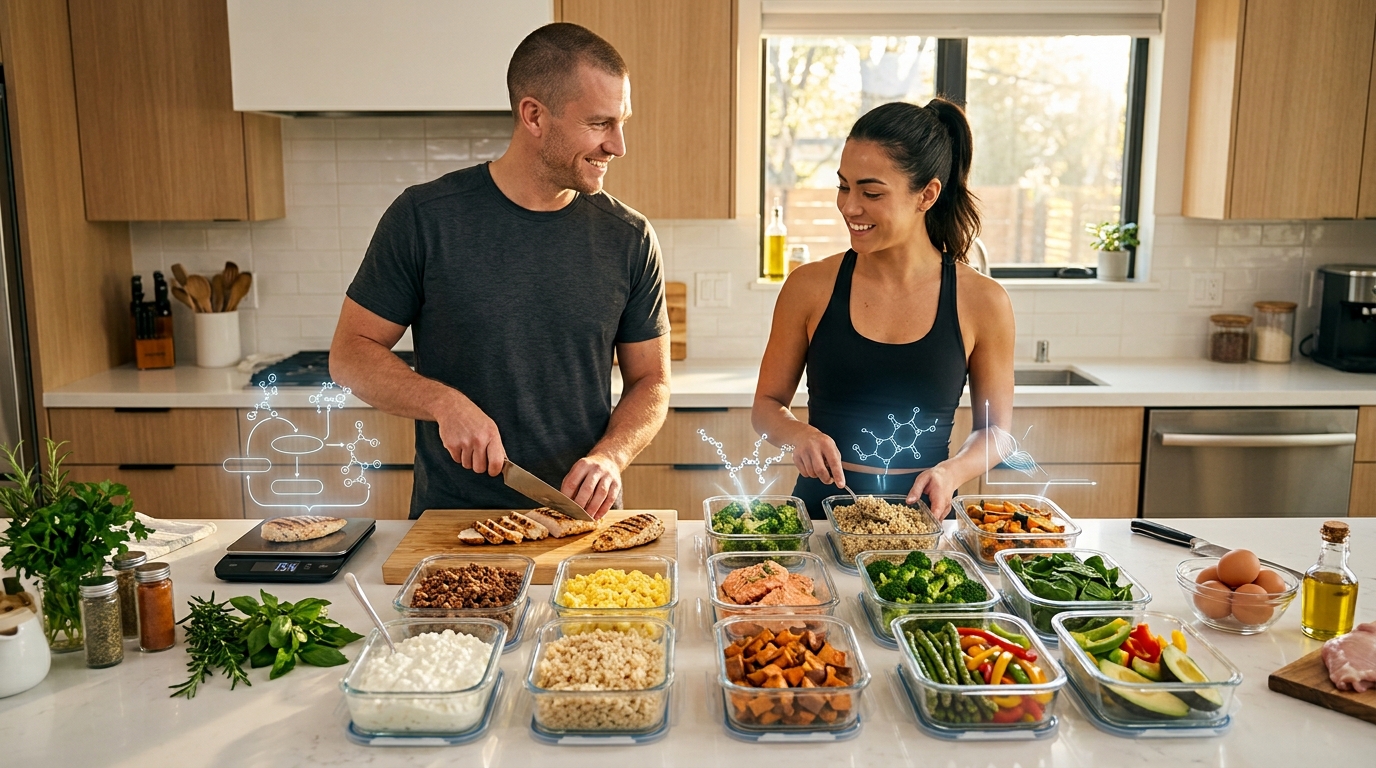
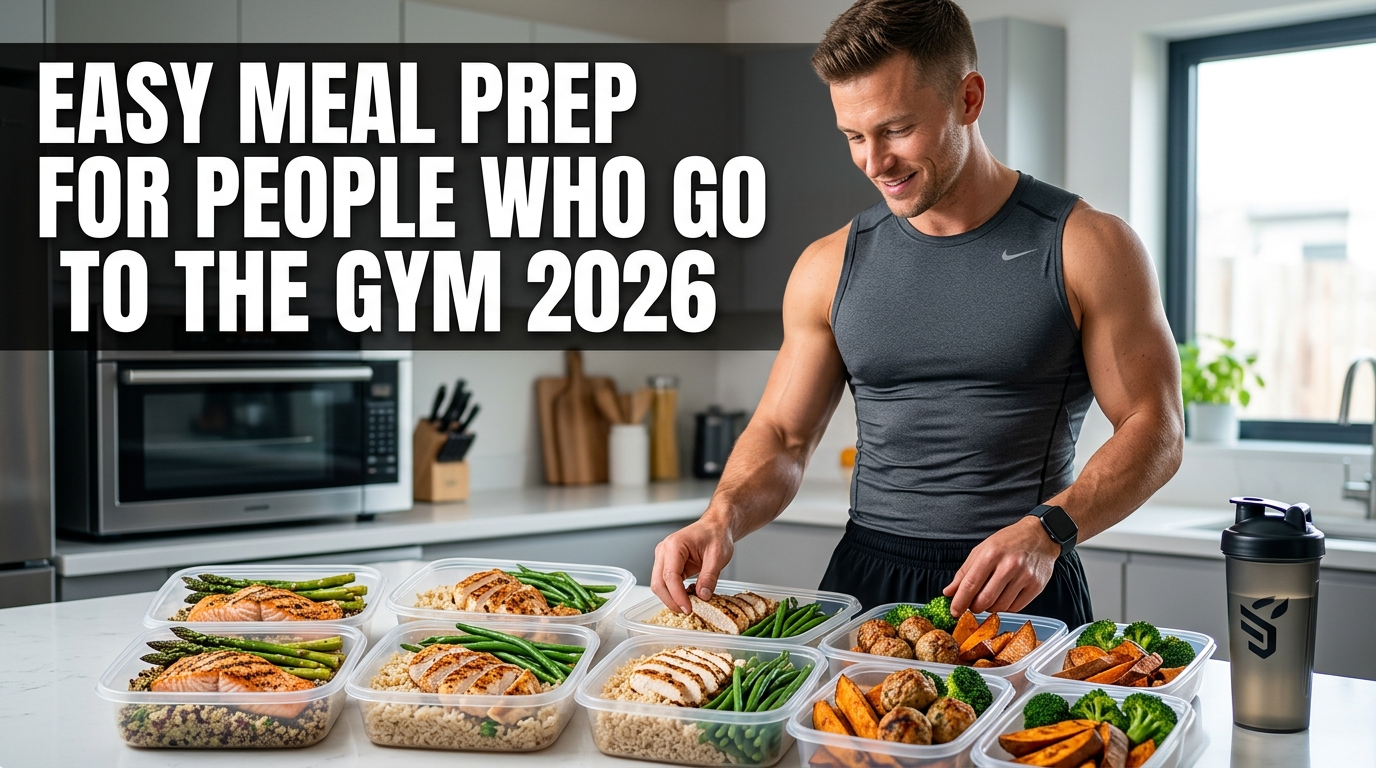
Prepare three days of protein anchors at once. Bake a sheet pan of chicken thighs. Hard-boil a dozen eggs. Cook a pound of ground beef. Store them in glass containers. When you’re hungry, assemble a meal in five minutes. That’s faster than a DoorDash order and costs a third as much.
The Thermic Effect Advantage
Your body burns energy digesting food. Protein is the most metabolically expensive macronutrient. About 20 to 30 percent of the calories from protein are burned just processing it.
But that number is higher for whole foods than for liquids. Chewing, stomach acid secretion, and the slow breakdown of a solid food matrix all demand energy. A whey shake slides through with minimal metabolic cost.
Over months of consistent eating, that difference compounds. A whole-food diet essentially gives you a small metabolic bonus. A shake-based diet doesn’t.
This also explains why whole food keeps you fuller. Satiety isn’t just about calories. It’s about stomach distension, chewing time, and hormonal signaling. A chicken breast takes 15 minutes to eat. A protein shake takes 30 seconds. Your brain registers the chicken as a meal. It barely registers the shake at all.
The protein leverage hypothesis suggests that humans eat until they meet their amino acid requirements. If you’re not hitting those requirements through real meals, you’ll keep eating, often reaching for processed snacks that overdeliver calories without satisfying the underlying need.
A Real Homemade Shake Recipe
If you want the convenience of a shake without the processed powder, try this. I’ve used it for two years. It works.
-
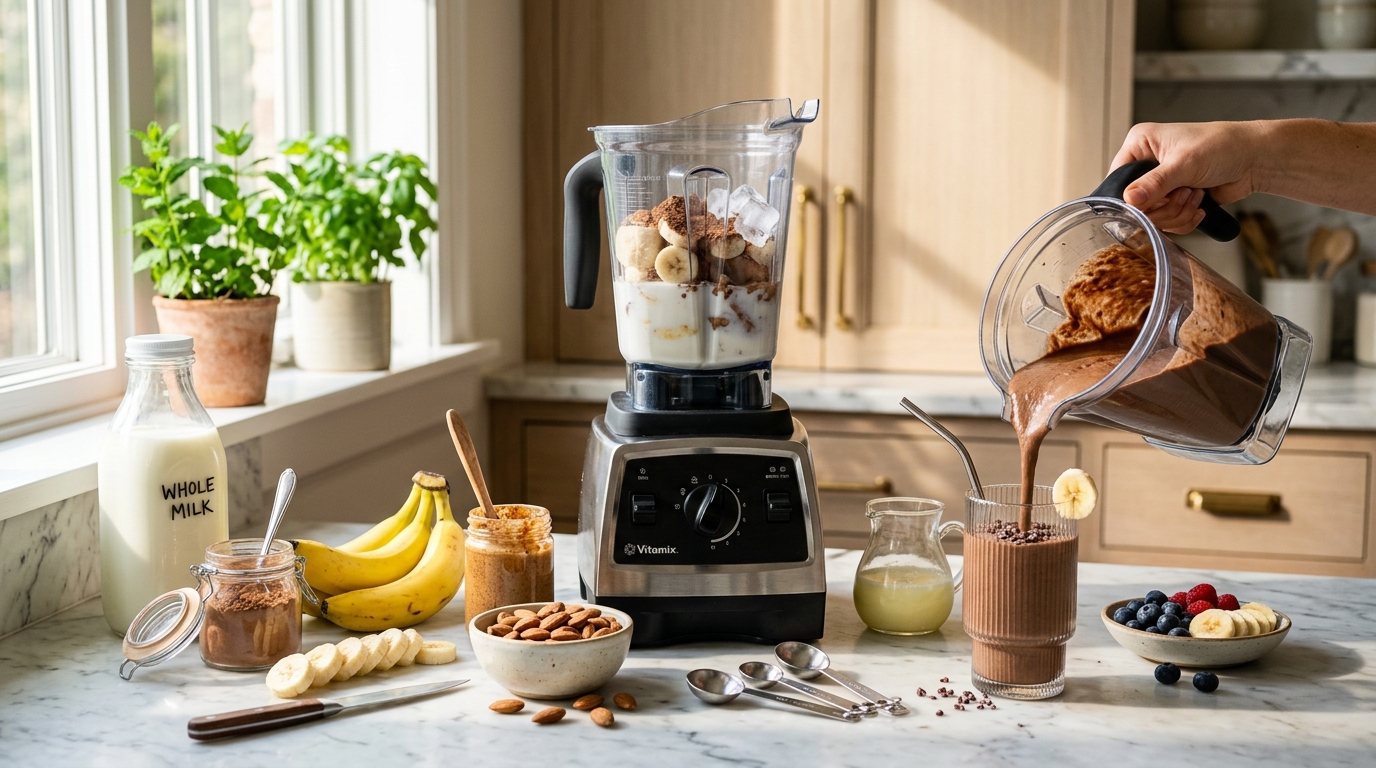
1 cup pasteurized liquid egg whites (26g protein)
-
1 cup whole milk or unsweetened almond milk
-
1 tablespoon almond butter
-
1 frozen banana
-
1 tablespoon raw cacao powder
-
Pinch of cinnamon
Blend it. Drink it. It tastes like a chocolate banana milkshake and delivers the same rapid protein absorption as whey, plus actual nutrients your body recognizes.
Cost per serving: roughly $1.40. Protein content: about 35 grams. Zero artificial sweeteners. Zero questionable filler ingredients.
Common Mistakes When Skipping Shakes
Trying to hit all your protein in one meal. Your body can use a large protein dose over many hours, but spreading intake across three or four meals optimizes MPS spikes. Don’t skip breakfast protein and expect to catch up at dinner.
Underestimating plant protein volume. Lentils and beans are excellent but bulky. If you eat 50 grams of protein from lentils, you’re also eating a lot of fiber. That’s great for health but challenging if your calorie target is already hard to reach.
Neglecting dietary fat. A natural bodybuilder needs fat for hormone production, including testosterone. Chicken breast and broccoli every meal isn’t a strategy. It’s a slow way to feel terrible.
Ignoring the transition period. If you’ve been drinking shakes for years, your stomach might feel weird when you switch to whole food. Give it two weeks. Your digestion adapts. The bloating most people fear from whole food often comes from a gut that forgot how to process it.
Frequently Asked Questions
Can I build muscle with just two meals a day?
Yes. Meal frequency matters far less than total daily intake. Two large protein doses can sustain MPS if the total grams are sufficient and the meals contain enough leucine.
Is whey protein natural?
Kind of. Whey comes from milk, which is natural. But commercial whey isolate goes through microfiltration, spray-drying, and chemical flavoring. What ends up in the tub is far from a whole food.
What happens if I lift weights without any protein shake at all?
Absolutely nothing bad. You’ll build muscle at the same rate as long as your total daily protein from food meets the target. The shake is not a biological trigger.
How did old bodybuilders build muscle without supplements?
They ate whole eggs, whole milk, beef, potatoes, and oatmeal. Lots of it. They trained with heavy compound lifts. Protein powder didn’t exist in its modern form until the 1990s.
Can I replace a protein shake with eggs?
Yes. Cooked eggs are one of the most bioavailable protein sources available. The digestibility of cooked egg protein is above 90 percent, compared to about 50 percent for raw eggs.
Do I need protein immediately after a workout?
No. Eat a meal within two hours of finishing your session. If you ate before training, the window extends even further. The urgency is manufactured.
Is it possible to get enough protein on a vegan diet without shakes?
Absolutely. Tempeh, tofu, lentils, seitan, and quinoa all deliver complete or complementary amino acid profiles. A pea and rice protein blend is useful if volume becomes an issue, but it’s optional.
Why does everyone at the gym carry a shaker bottle if shakes aren’t necessary?
Marketing works. Sponsorship works. Social proof works. Seeing a behavior repeated hundreds of times creates the illusion of necessity. The supplement industry spends billions reinforcing this image.
The Decision That Matters
You don’t need permission to skip protein powder. Your muscles don’t care where the amino acids came from. They care about total intake, consistent training, and adequate recovery.
Some people genuinely benefit from the convenience. Most people don’t and have been paying extra for a problem that didn’t exist.
Spend your money on real food. A dozen eggs costs $4 and delivers 72 grams of protein along with vitamins and minerals no powder can replicate. That’s better value, better nutrition, and honestly, better tasting than anything that comes out of a plastic tub.
Cook your meals. Hit your targets. Train hard. Sleep well.
The shaker bottle is optional. It always was.




Leave a Reply