

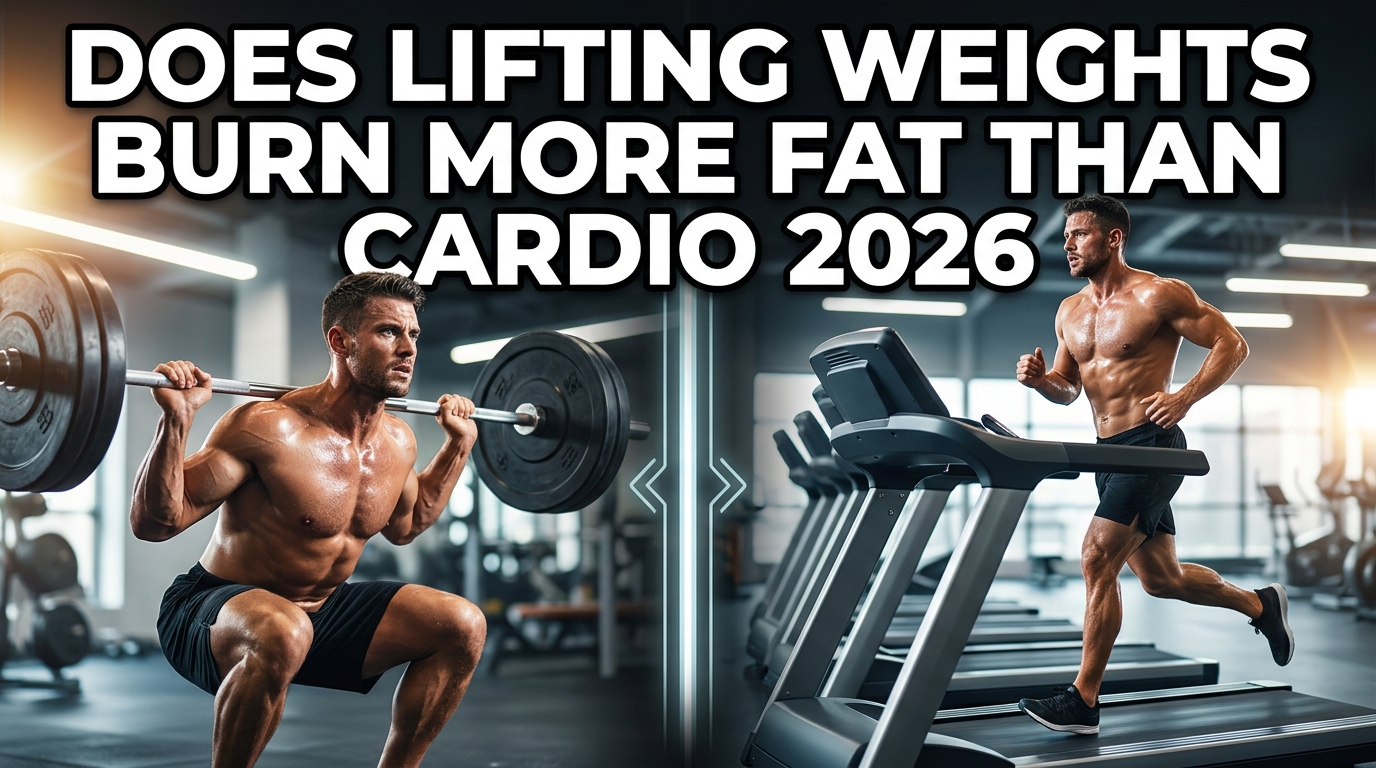
Does Lifting Weights Burn More Fat Than Cardio
The honest answer depends on what you mean by “burn more fat.” Cardio usually burns more calories during the workout itself, especially if you compare a 45-minute run to a 45-minute strength session with rest periods. My Garmin always gave running the flashier number, which felt satisfying in the moment.
Lifting weights wins in a different way. It helps you build or keep muscle, and muscle makes your body more metabolically active over time. That does not mean dumbbells magically melt fat while you sleep, despite what some fitness ads imply. It means strength training changes your body composition, which matters more than one sweaty calorie estimate on a watch.
Cardio Burns More Calories During the Workout
A hard cardio session gives you immediate feedback. You sweat, your heart rate climbs, and your fitness tracker throws confetti like you just paid off your mortgage. When I ran 4 miles, my Apple Watch often showed 400 to 500 calories burned, depending on pace and hills.
That number can motivate you, but trackers often overestimate calories. I made the classic mistake of “earning” a giant smoothie after cardio, then wondering why fat loss stalled. Cardio works beautifully when you keep your food intake steady. Walking, cycling, rowing, swimming, and incline treadmill sessions all help create a calorie deficit without needing complicated programming.
Lifting Weights Changes What Your Body Does With Food
Strength training made me pay attention to my meals in a totally different way. When I lifted consistently, protein stopped feeling like a diet rule and started feeling like workout support. Chicken thighs, Greek yogurt, eggs, tuna packets, and Optimum Nutrition whey became regular staples because I recovered better when I ate enough.
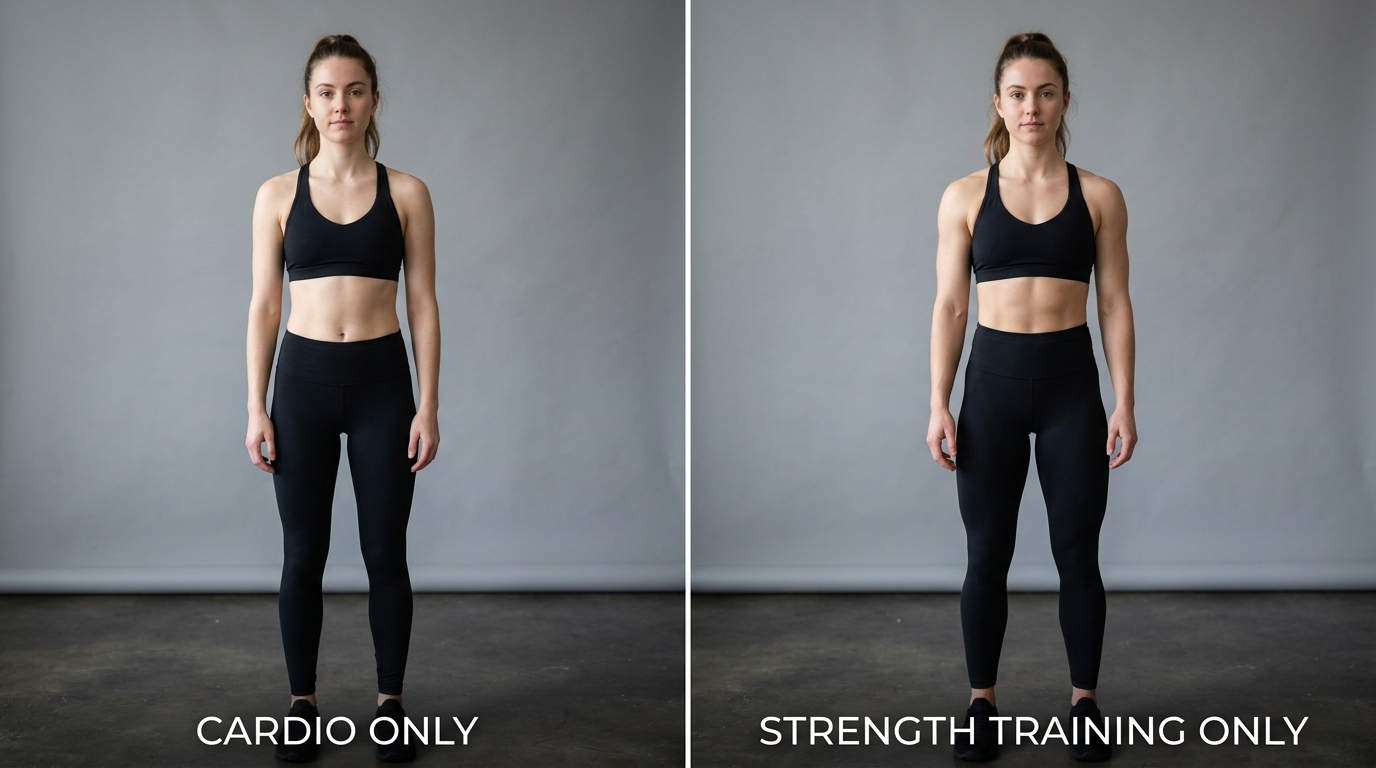
Here is the part people miss: lifting gives your body a reason to hold onto lean tissue while you lose fat. If you diet hard and only do cardio, your body can drop muscle along with fat. That might lower the number on the scale, but it can leave you smaller without looking much leaner. Lifting helps you keep shape, strength, and definition while the fat comes off.
The Afterburn Effect Is Real, But People Exaggerate It
I used to hear that lifting weights kept your metabolism “revving for 48 hours,” and I pictured my body torching calories like a bonfire. Reality gave me a smaller, less dramatic truth. After a challenging lifting session, your body uses extra energy for repair, but not enough to cancel out pizza night.
The technical name is EPOC, or excess post-exercise oxygen consumption. Heavy compound lifts like squats, deadlifts, lunges, bench presses, and rows create more of it than tiny isolation movements. Still, the afterburn effect works best as a bonus, not the main plan. Your weekly training volume, daily steps, food intake, and sleep carry far more weight than a few extra post-workout calories.
Cardio Helps Fat Loss Faster When You Use It Smartly
Running helped me lose weight early on because it made the calorie deficit easier. I could add three 30-minute sessions per week without changing my entire life. The problem started when I kept adding more and more cardio instead of improving the rest of my routine.
Cardio can increase hunger, especially intense cardio. After long runs, I felt like a raccoon near an open trash can. The trick is choosing cardio you can recover from. For me, that meant two incline treadmill walks, one short interval session on a Concept2 rower, and regular outdoor walks. That approach helped fat loss without making me tired, sore, and weirdly obsessed with cereal at 10 p.m.
Also Read: How to Break a Weight Loss Plateau Naturally 2026
Weight Training Usually Wins for Body Composition
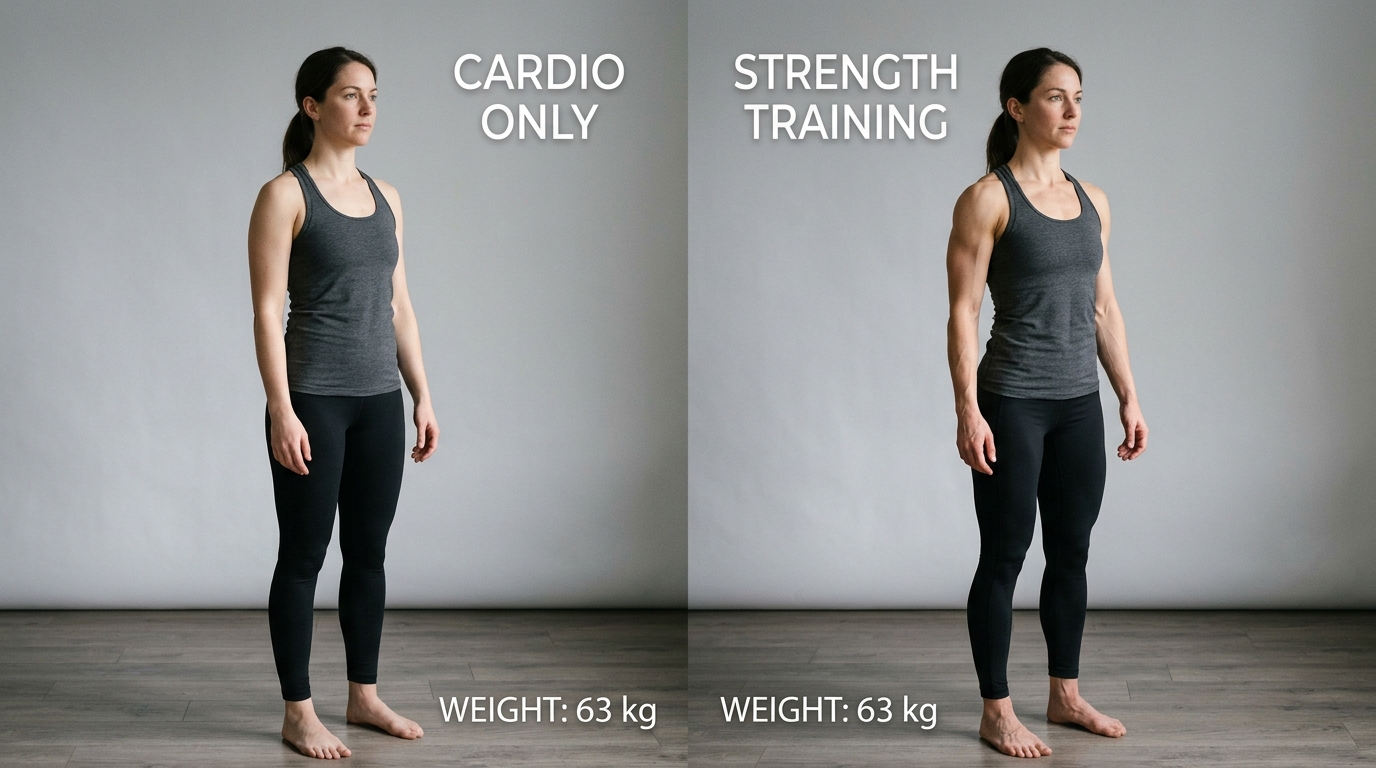
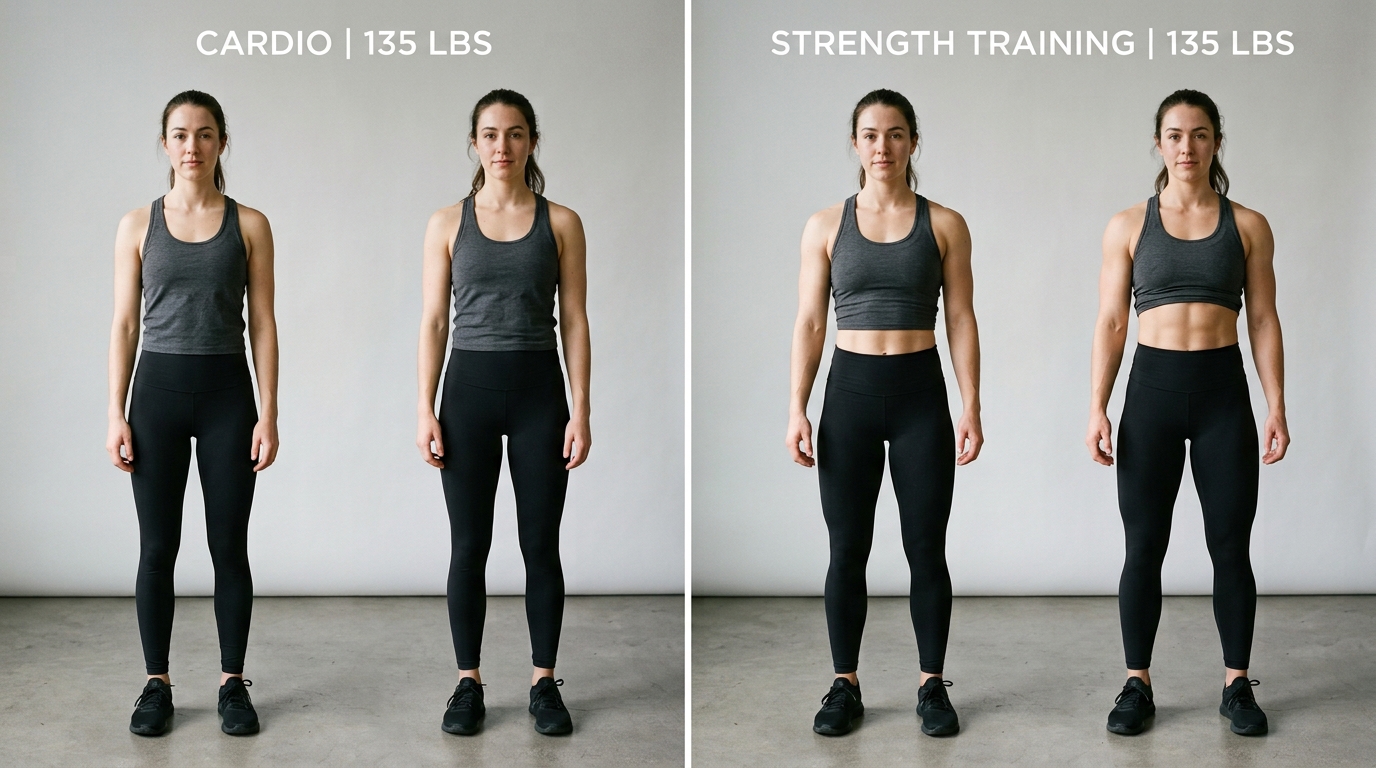
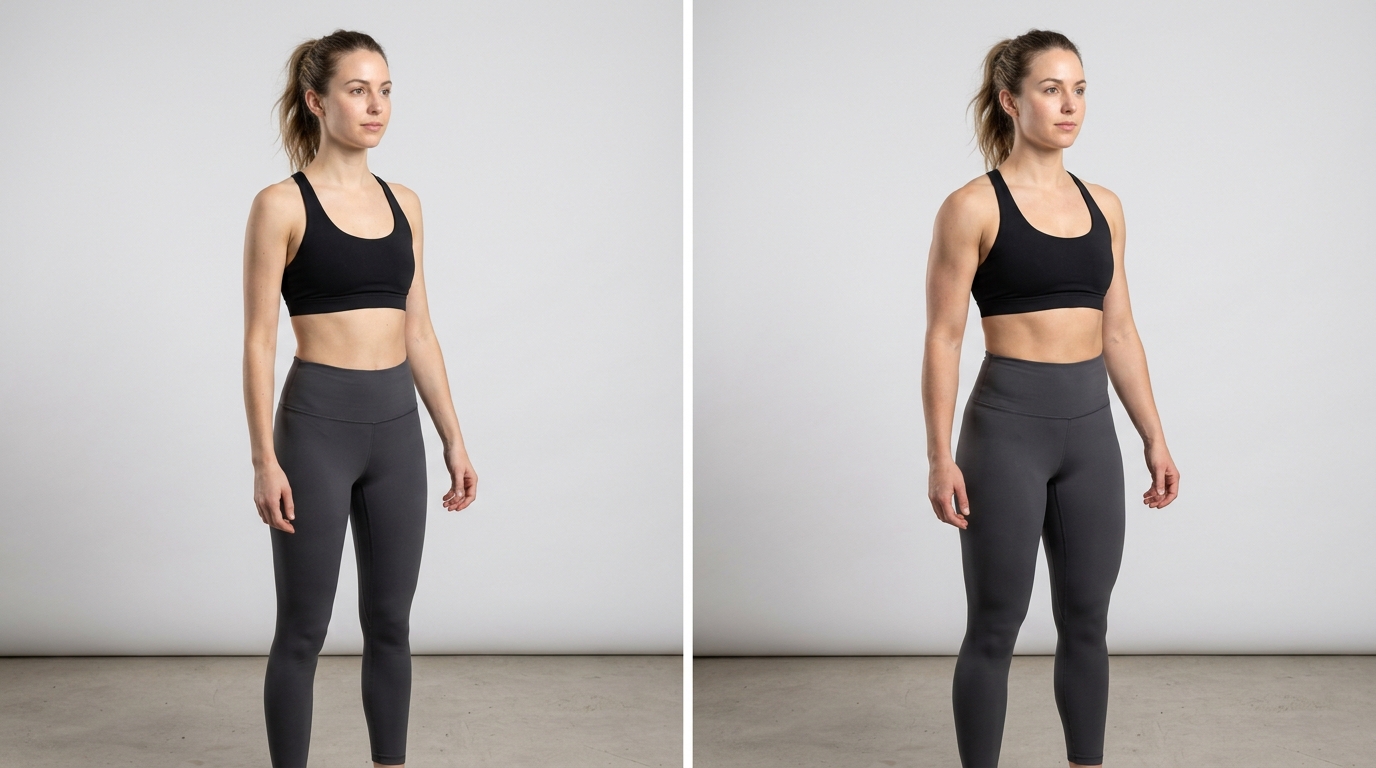
The first time my scale refused to move but my jeans fit better, I almost threw the scale into traffic. That phase taught me the difference between losing weight and losing fat. Strength training can make the scale feel boring while your body quietly changes in the mirror.
When friends ask me, “does lifting weights burn more fat than cardio,” I usually tell them lifting gives better visual results for most people. Not instantly. Not in two workouts. But over months, it builds shoulders, glutes, legs, arms, and back muscles that create a leaner look. Cardio can make you smaller. Lifting can make you look fitter at the same body weight.
Your Diet Decides Whether Fat Loss Happens
No workout beats overeating. I say that with love because I learned it the annoying way. I trained five days a week once and still gained weight because my “healthy portions” looked suspiciously like two dinners stacked on one plate.
Fat loss requires a calorie deficit, whether you prefer lifting, cardio, Pilates, pickleball, or chasing your toddler around the living room. I like using Cronometer or MyFitnessPal for a short tracking phase, usually 10 to 14 days, just to see what my normal intake looks like. You do not need to track forever, but you do need honesty. Olive oil, peanut butter, granola, and restaurant meals can quietly erase a workout deficit fast.
The Best Fat Loss Plan Combines Both
My best results came when I stopped treating lifting and cardio like rival sports teams. I lifted three or four days per week and added cardio around it without letting cardio wreck my recovery. That mix gave me strength, endurance, better mood, and steady fat loss.
A simple weekly setup works for most busy adults:
- 3 full-body or upper-lower strength workouts
- 2 to 3 low or moderate cardio sessions
- 7,000 to 10,000 daily steps
- 1 to 2 rest or easy movement days
You do not need a perfect gym. Adjustable dumbbells, a bench, resistance bands, and a walking route can cover a lot. If you train at a gym, focus on basic lifts and stop changing everything every Monday.
What I Would Do If I Started Again
Starting over, I would lift first and use cardio as support. That does not mean cardio comes second because it lacks value. It means strength training gives the biggest return when your goal includes looking lean, feeling strong, and keeping muscle while dieting.
I would begin with three strength sessions per week, each built around squats or leg presses, hip hinges, pushes, pulls, and carries. Then I would add walking on most days because walking helps fat loss without beating up your joints. I would save intense cardio for one day a week until my recovery felt solid. Boring? Maybe. Effective? Very.
Common Mistakes That Slow Fat Loss
One mistake I see constantly is doing random workouts with no progression. If you lift the same 12-pound dumbbells for the same reps every week, your body has no reason to adapt. Add a rep, add weight, improve form, or choose a harder variation.
Another mistake involves using cardio as punishment. I have done the guilt treadmill session after eating too much, and it never built a healthy routine. Training works better when you treat it as practice, not payment for food. The third mistake is ignoring recovery. Poor sleep, high stress, and constant soreness can make hunger louder and workouts worse. Fat loss needs effort, but it also needs a body that does not feel under attack all week.
FAQs
Does lifting weights burn more fat than cardio for beginners?
Beginners often get great results from lifting because their bodies respond quickly to new strength training. Cardio may burn more calories during one session, but lifting helps beginners build muscle and improve shape while losing fat. The best beginner plan usually combines three lifting days with simple walking.
Should I do cardio before or after weights for fat loss?
Lift first if strength and muscle matter to you. You will have better energy for squats, presses, rows, and deadlifts. Add cardio after lifting or on separate days. If you do hard cardio first, your form can suffer, and tired form turns basic lifts into bad decisions.
Can I lose belly fat by lifting weights?
You can lose belly fat with lifting, but you cannot choose exactly where fat leaves first. Strength training helps preserve muscle while a calorie deficit reduces overall body fat. Add protein, steps, and patience. Your waist will usually respond, even if it takes longer than your arms or face.
How many days a week should I lift weights for fat loss?
Most people do well with three to four lifting days per week. That gives you enough practice to build strength without living in the gym. Full-body workouts work great for three days. Upper-lower splits fit better if you prefer four sessions and slightly shorter workouts.
Is cardio useless if I lift weights?
Cardio absolutely has value. It supports heart health, endurance, mood, and calorie burn. I just would not rely on cardio alone if you want a lean, strong look. Walking, cycling, rowing, or incline treadmill work pairs well with lifting and keeps your fat loss plan more flexible.
Conclusion
Lifting and cardio both help, but they help in different ways. If you want the leaner, stronger version of fat loss, lift weights consistently, use cardio wisely, and keep your food intake honest.



Leave a Reply