

How to Not Feel Intimidated at the Gym Anymore
Figuring out how to not feel intimidated at the gym was honestly one of the harder personal challenges I faced when I first started taking fitness seriously. I would pull into the parking lot, sit in my car for ten minutes, and then drive home. Twice. The weights area felt like a stage and I was completely unprepared for the performance. Nobody warned me that gym anxiety was this real, this specific, and this fixable.
Why Gym Intimidation Happens in the First Place
Understanding what actually causes the anxiety makes it much easier to address. Most gym intimidation comes from one very specific fear: looking incompetent in front of strangers. Your brain treats the gym floor like a social evaluation, and it kicks into self-protection mode fast.
The irony is that almost nobody in that building is watching you as closely as you think. Most regular gym-goers are locked into their own workout, their own music, and their own internal monologue about whether they pushed hard enough last Tuesday. I spent months convinced everyone noticed every mistake I made. Spoiler: they really did not. Spotlight effect is the psychological term for this, and it trips up nearly every beginner who walks through those doors.
Go During Off-Peak Hours First
Timing your first few gym visits strategically removes a huge chunk of the pressure immediately. Peak hours, typically 5 to 8 PM on weekdays and Saturday mornings, pack the gym floor with experienced members moving confidently through packed equipment. That environment is brutal for a newcomer still figuring out basic machine adjustments.
Early mornings between 5 and 7 AM, or weekday afternoons between 1 and 3 PM, offer a completely different atmosphere. The gym is quieter, equipment is available, and the handful of people there are too focused on their own sessions to notice what you are doing. I started going at 6 AM specifically for this reason, and those first solo sessions in a half-empty gym built more confidence than any workout program ever could.
Learn the Layout Before Your First Real Session
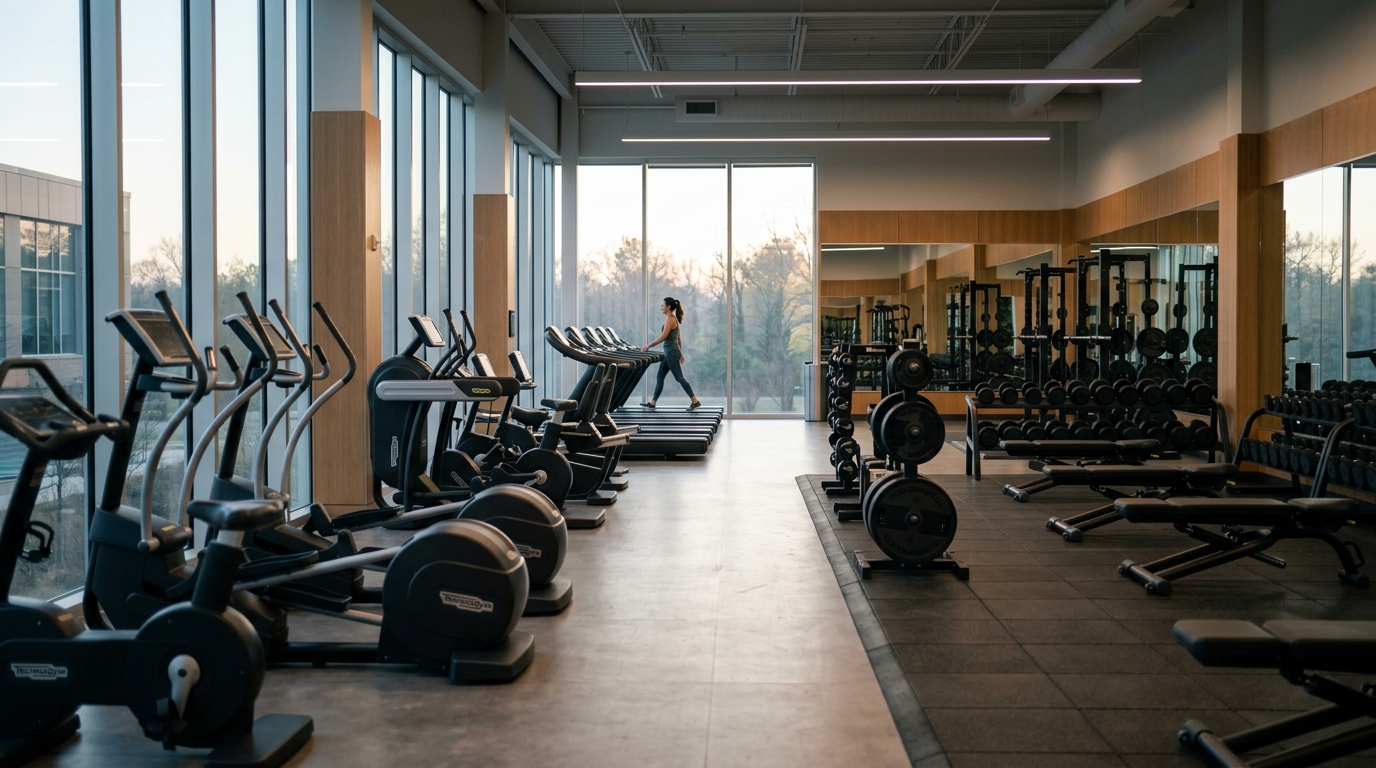
Walking into an unfamiliar space blind guarantees anxiety. Most commercial gyms including Planet Fitness, LA Fitness, and Crunch Fitness offer free orientations or tours when you sign up. Take that tour seriously, even if it feels unnecessary.
Walk every section of the floor. Note where the cardio machines sit, where the free weights live, and where the guided machines line up. Identify where the paper towels and spray bottles are stationed. Find the bathrooms and water fountains. When you know where everything is before your first workout, your brain stops wasting energy on spatial anxiety and puts that energy into actually exercising. I mapped out my gym on my phone’s notes app after my tour and referred back to it for two weeks.
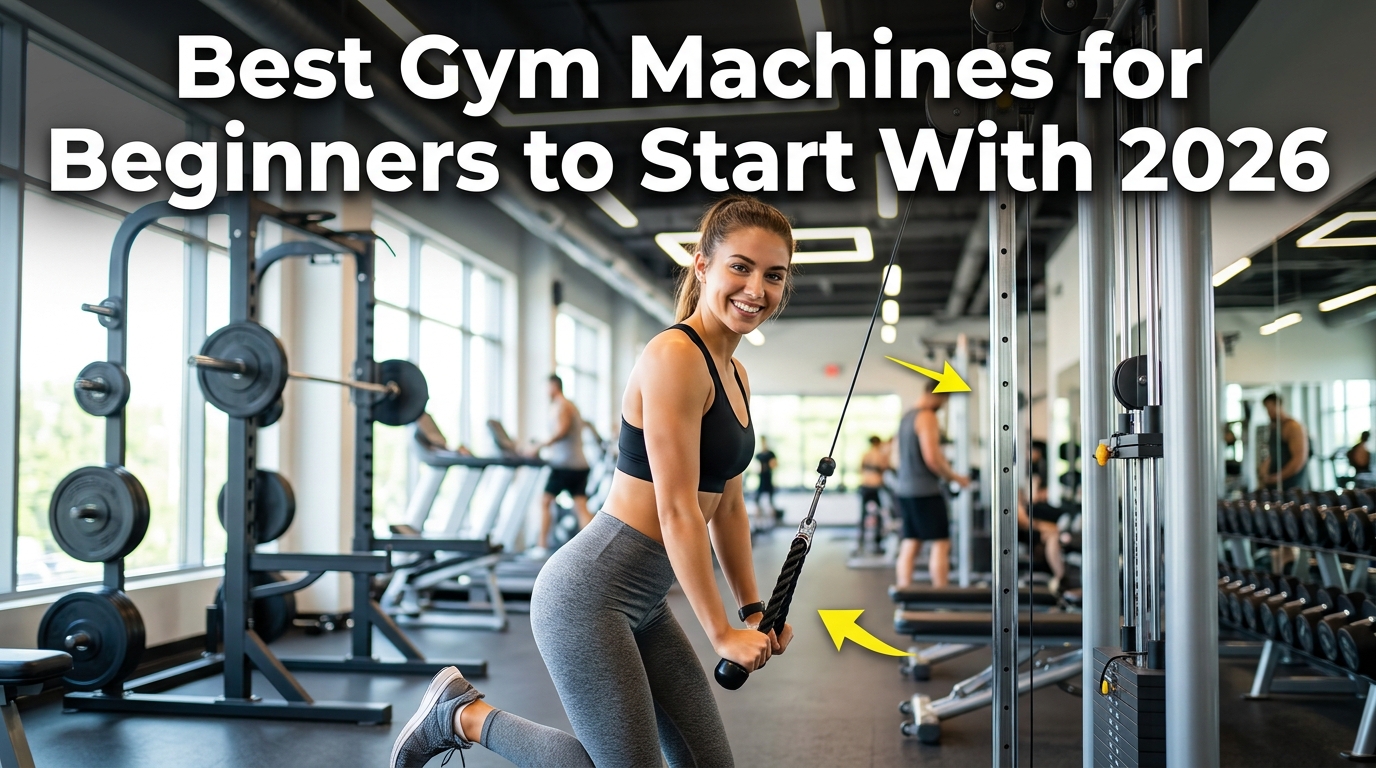
Also Read: Best Gym Machines for Beginners to Start With 2026
Have a Written Plan Before You Walk In
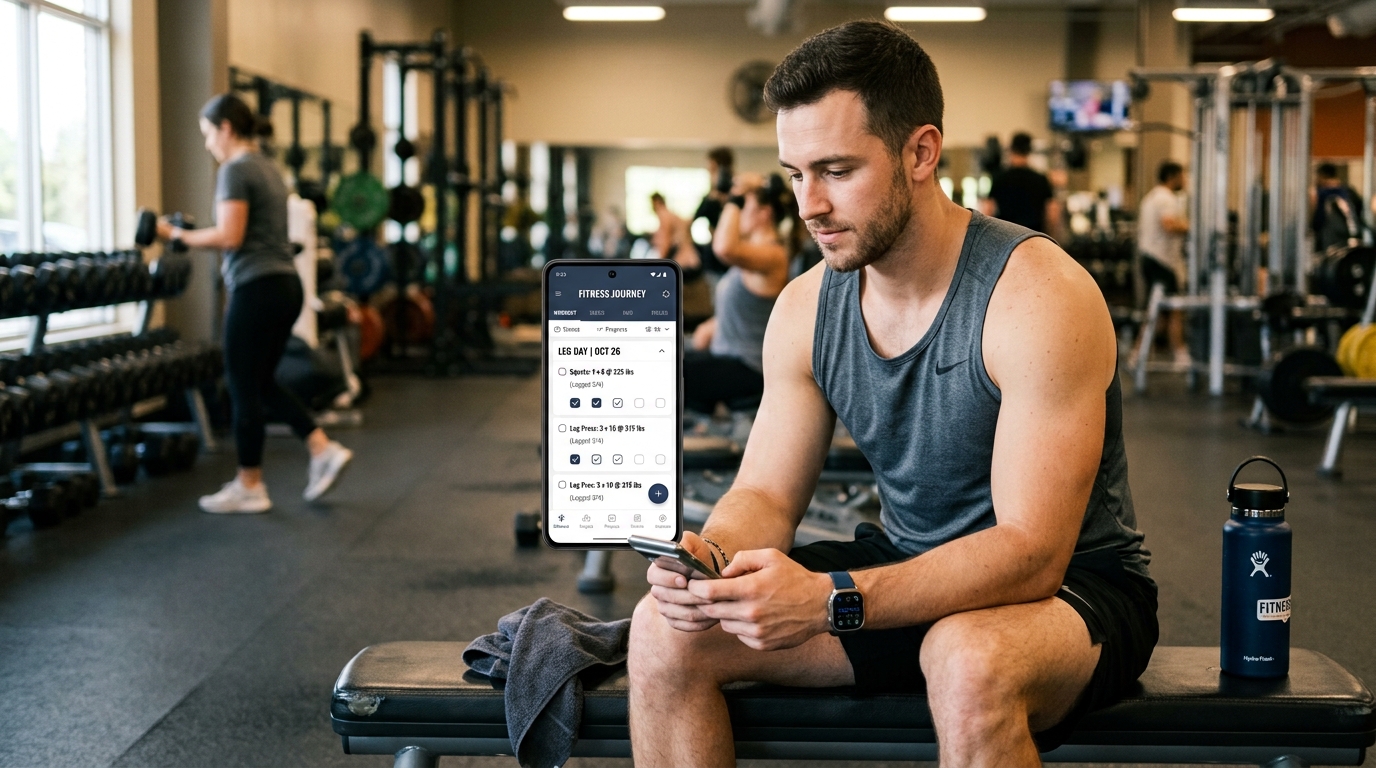
Wandering around the gym floor without a clear plan is one of the fastest ways to feel lost and self-conscious. Standing in the middle of the weight room trying to remember what exercise comes next, while people move purposefully around you, is genuinely uncomfortable.
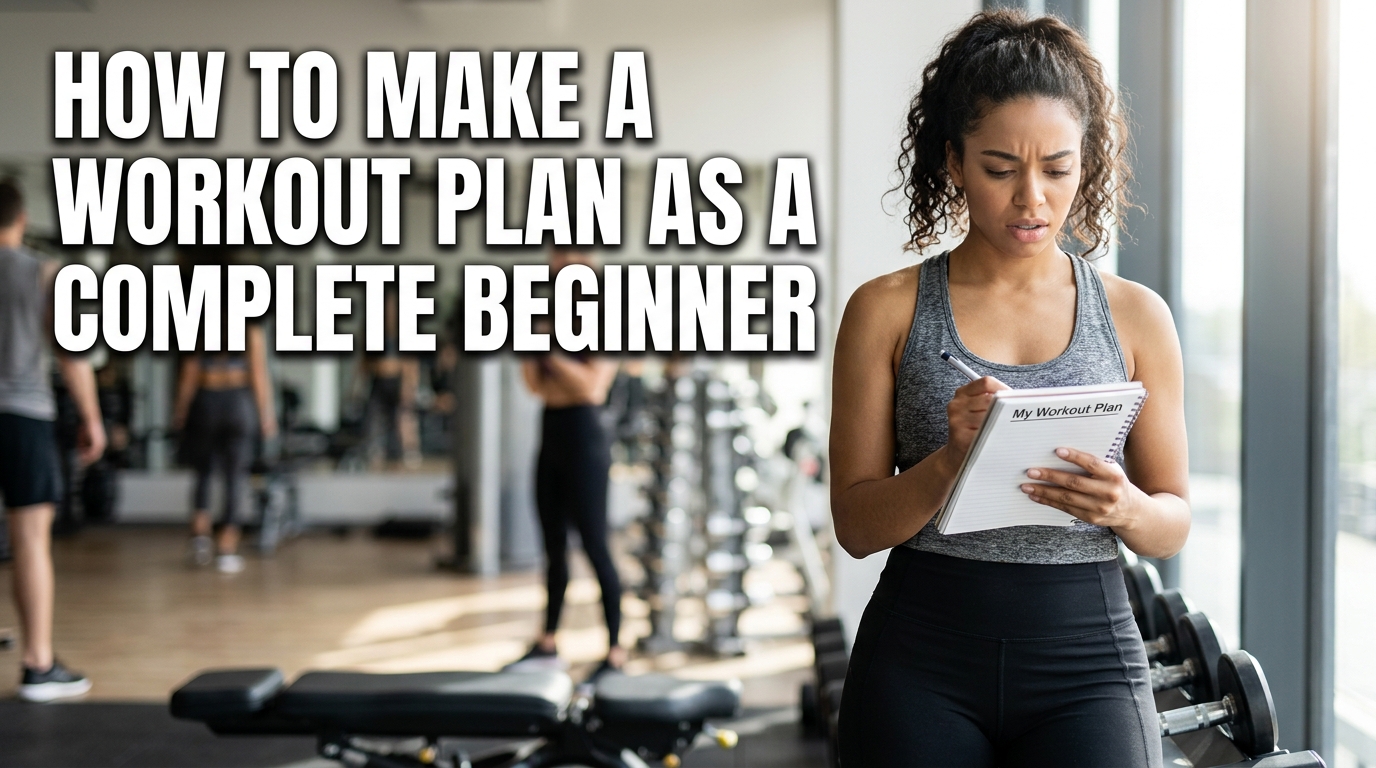
Write your workout down before you arrive. It does not need to be complicated. Even a simple list of four exercises with the number of sets and reps gives you a clear path to follow. Apps like Strong or JEFIT let you log a basic plan on your phone and follow it step by step during your session. When you walk in with a plan, your whole body language shifts. You move with purpose. That alone changes how you feel in the space and, honestly, how others perceive you too.
Start With Machines, Not Free Weights
The free weights area, specifically the squat racks and barbell sections, carries the most social weight in any gym. Experienced lifters congregate there and the movements require real technical skill. Jumping straight into that section as a beginner is like sitting front row at a comedy open mic on your first time out. Technically allowed, but unnecessarily stressful.
Guided machines are the smarter entry point. They control the movement path, require minimal setup knowledge, and let you build real strength while learning how your body responds to resistance training. Spend your first four to six weeks almost exclusively on machines and cable stations. By the time you feel ready to step toward the free weights, you will have built enough physical confidence that the anxiety barely registers. This is exactly how I approached it, and it worked completely.
Also Read: How to Make a Workout Plan as a Complete Beginner 2026
Use Headphones as Your Personal Bubble
A good pair of wireless earbuds does more for gym confidence than most people realize. Music directly affects your mood, your energy, and your perception of effort during exercise. But beyond the physiological benefits, wearing headphones sends a clear social signal that you are focused and not available for conversation.
That boundary matters enormously when you are still finding your footing. Nobody approaches someone mid-set with headphones in unless it is urgent. You get to exist in your own focused world without managing unexpected social interactions on top of everything else. I built my first gym playlist on Spotify specifically for this purpose, heavy beats, songs I genuinely loved, nothing that felt forced. Walking in with music already playing made the whole environment feel less overwhelming from the very first step through the door.
Stop Comparing Your Chapter One to Someone Else’s Chapter Twenty
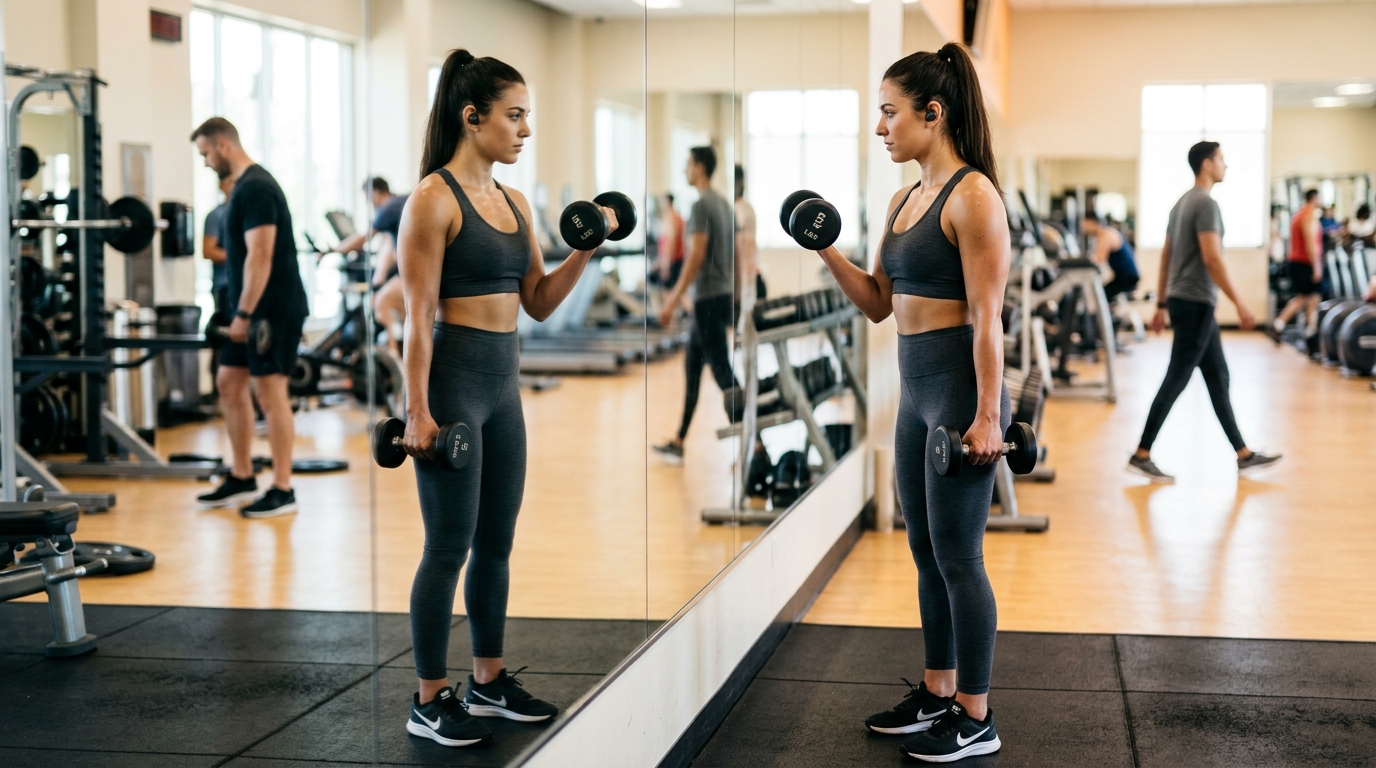
Every single person you envy in that gym was a beginner once. The guy doing perfect pull-ups used to struggle to hang from the bar. The woman confidently squatting heavy plates once Googled “how to use a squat rack” just like you probably did. Progress is invisible to outsiders because you only see the current result, never the years of awkward starting points behind it.
Shifting your internal frame from comparison to curiosity genuinely helps here. Instead of thinking “they are so much better than me,” try thinking “that is where I am headed.” It sounds simple, but it rewires how you experience the gym over time. Keeping a workout log also helps because your competition becomes yesterday’s version of yourself rather than the person on the next machine over.
Ask Gym Staff When You Are Unsure
Gym employees exist specifically to help members use the facility correctly and safely. Most front desk staff and floor attendants genuinely enjoy showing new members how equipment works. Asking for help is not a sign of weakness; it is actually the smartest move a beginner can make.
I was too proud to ask for help during my first month, and I spent three sessions using a cable machine completely wrong because of it. One two-minute conversation with a staff member fixed my entire setup and made the exercise actually effective. If a machine looks confusing or a setting does not feel right, flag someone down. Most gyms also post QR codes on equipment that link directly to video demonstrations. Use every resource available.
Build a Small Pre-Gym Ritual
Confidence rarely shows up on its own. You have to prime it deliberately, and a consistent pre-gym routine does exactly that. The ritual itself does not need to be elaborate, but it should be repeatable and personal.
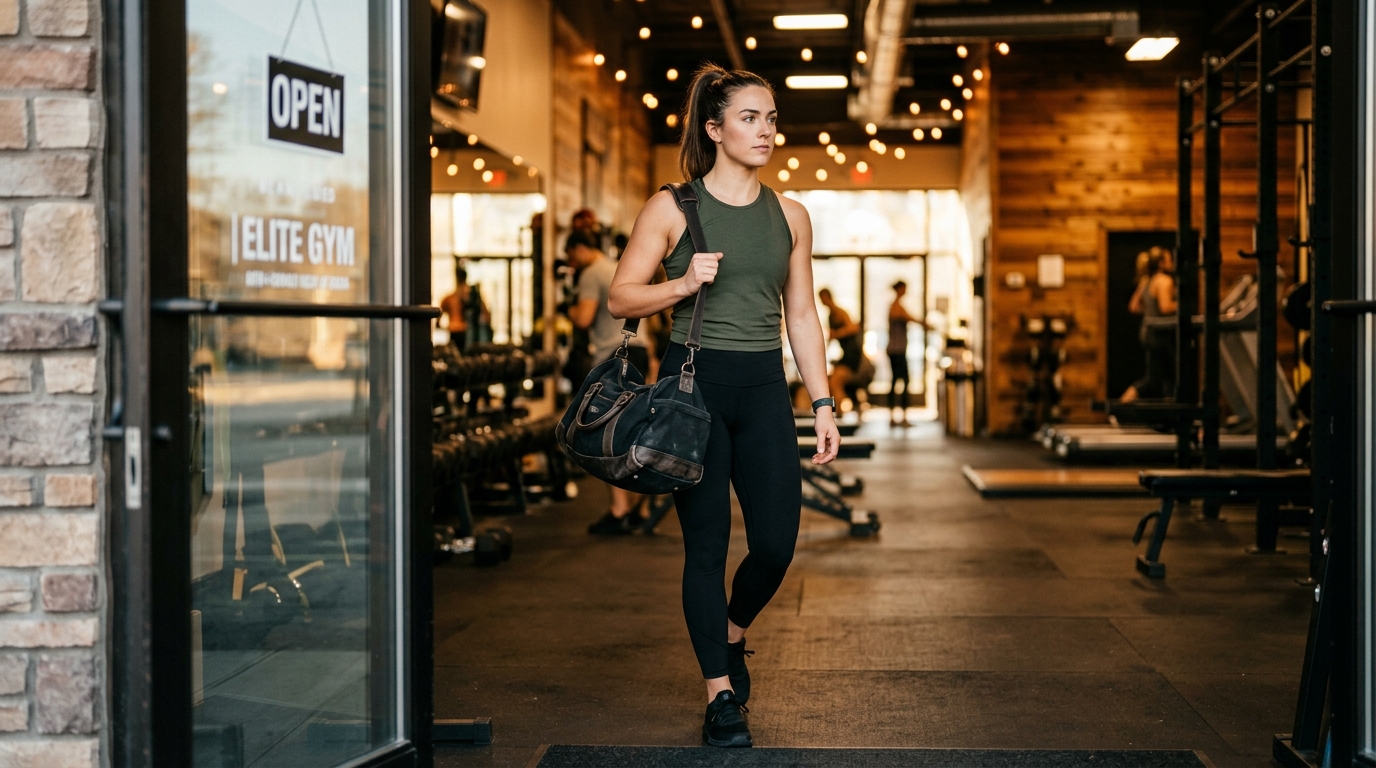
For me it was a specific playlist queued up during the drive, a coffee fifteen minutes before leaving, and packing my bag the night before so the morning felt frictionless. Small as those steps sound, they created a psychological bridge between home and the gym floor. By the time I walked through the entrance, my brain had already accepted that working out was happening today. That mental commitment ahead of time removed about half the resistance I used to feel standing in the parking lot.
Recognize That Confidence Comes After Action, Not Before
This is the part nobody tells you clearly enough. You will not feel confident before going to the gym and then decide to go. You will go anyway, feel awkward, survive it, go again, feel slightly less awkward, and build real confidence through repetition. Waiting to feel ready first is the trap that keeps people in their cars.
Learning how to not feel intimidated at the gym is less about preparation and more about accumulating small wins through consistent attendance. Each visit chips away at the anxiety a little more. The third visit feels easier than the first. The tenth visit feels easier than the third. By your thirtieth session, that parking lot anxiety fades to almost nothing because your brain now has a library of evidence that you belong there. FYI, that shift happens faster than you expect once you commit to showing up regularly.
FAQs
How long does it take to stop feeling intimidated at the gym?
Most people notice a real shift in comfort level within three to six weeks of consistent visits. The anxiety does not vanish overnight, but it fades steadily with each session. Going at quieter times during the first month speeds the process up considerably because you get to learn the space without extra social pressure around you.
Is it normal to feel nervous at the gym even after a few months?
Completely normal, especially when trying new exercises or moving into unfamiliar sections of the gym. The free weights area can still feel intimidating even after months on machines. That nervousness is your brain encountering a new challenge, not a sign that you do not belong there. Push through it and it shrinks quickly.
What should I do if someone makes me feel unwelcome at the gym?
Talk to gym staff immediately. A quality gym maintains a welcoming environment for all members, and management takes member complaints seriously. Most commercial gyms have clear policies against harassment or behavior that makes others uncomfortable. You paid for access to that space equally, and good staff will handle it.
How do I not feel intimidated at the gym when trying a new exercise for the first time?
Watch a few form tutorial videos on YouTube beforehand, ideally from channels like Jeff Nippard or Athlean-X. Practice the movement with very light weight or even just the empty bar first. Choosing a spot slightly away from peak foot traffic also helps you focus without feeling watched during the learning curve.
Does what I wear to the gym actually affect how confident I feel?
Yes, and the research backs this up. Wearing clothes that fit well and feel comfortable genuinely affects your performance and your mood during exercise. You do not need expensive brands, but wearing something you feel good in removes one small source of self-consciousness before you even touch a single weight.
Conclusion
Gym intimidation is one of those things that feels enormous before you face it and surprisingly manageable once you actually do. Every regular gym member you see today once stood exactly where you are standing now. What is the one thing that has been keeping you out of that building, and what would it feel like to walk past it anyway?

Leave a Reply