

What to do on your first day at the gym is one of those things nobody actually teaches you, and that silence is responsible for so much unnecessary panic. You show up, you see people who clearly know exactly what they’re doing, the equipment looks like it belongs in a spaceship, and suddenly leaving to go eat a sandwich feels like a completely reasonable life choice. It doesn’t have to feel that way. Not even close.
Show Up With a Plan, Not Just Good Intentions
Walking in without a plan is how you end up wandering around for 40 minutes, doing three random machines, and going home feeling weirdly defeated. Before your first session, write down exactly five exercises you plan to do. That’s it. Five.
A simple beginner plan might look like this:
- Goblet squat
- Dumbbell Romanian deadlift
- Seated cable row
- Dumbbell chest press
- Plank hold
You can find beginner full-body routines on YouTube channels like Athlean-X or Jeff Nippard, or use an app like StrongLifts 5×5 which literally tells you exactly what to lift. Having that list on your phone means you spend zero time standing around looking confused. That alone will make your first visit feel completely different.
What to Do on Your First Day at the Gym Before You Even Touch a Weight
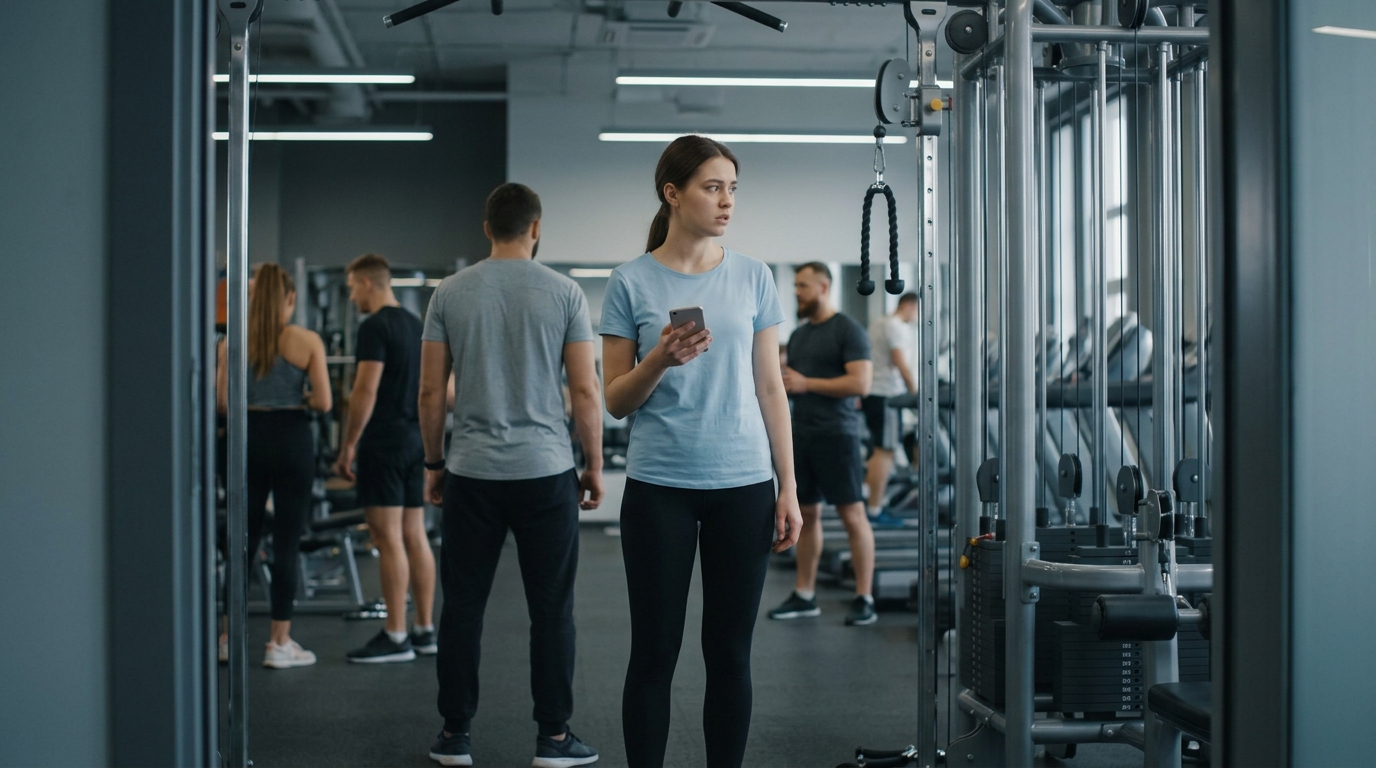
Arriving 10 minutes early sounds boring, but it genuinely changes the experience. Use that time to walk the full floor without any pressure to do anything. Find the dumbbells, locate the squat rack, figure out where the water fountain lives, and spot the bathrooms before you desperately need them.
I did not do this on my first day. I walked straight to the first machine I recognized, which happened to be a lat pulldown I did not know how to adjust, spent four minutes awkwardly fiddling with the seat pin while two people waited, and wanted to dissolve into the floor. A two-minute walk around would have saved all of that.
Most gyms also offer a free orientation session when you sign up. Book it. Staff will walk you through equipment, show you how to adjust seats and cables, and answer questions without any judgment. Planet Fitness, LA Fitness, and most independent gyms all offer this.
Also Read: Does Lifting Weights Burn More Fat Than Cardio 2026
Start With Lighter Weight Than You Think You Need
Ego lifting on day one is the fastest route to two things: embarrassment and injury. Both are avoidable. Every single person who looks comfortable in a gym spent time learning basic movement patterns at very manageable weights.
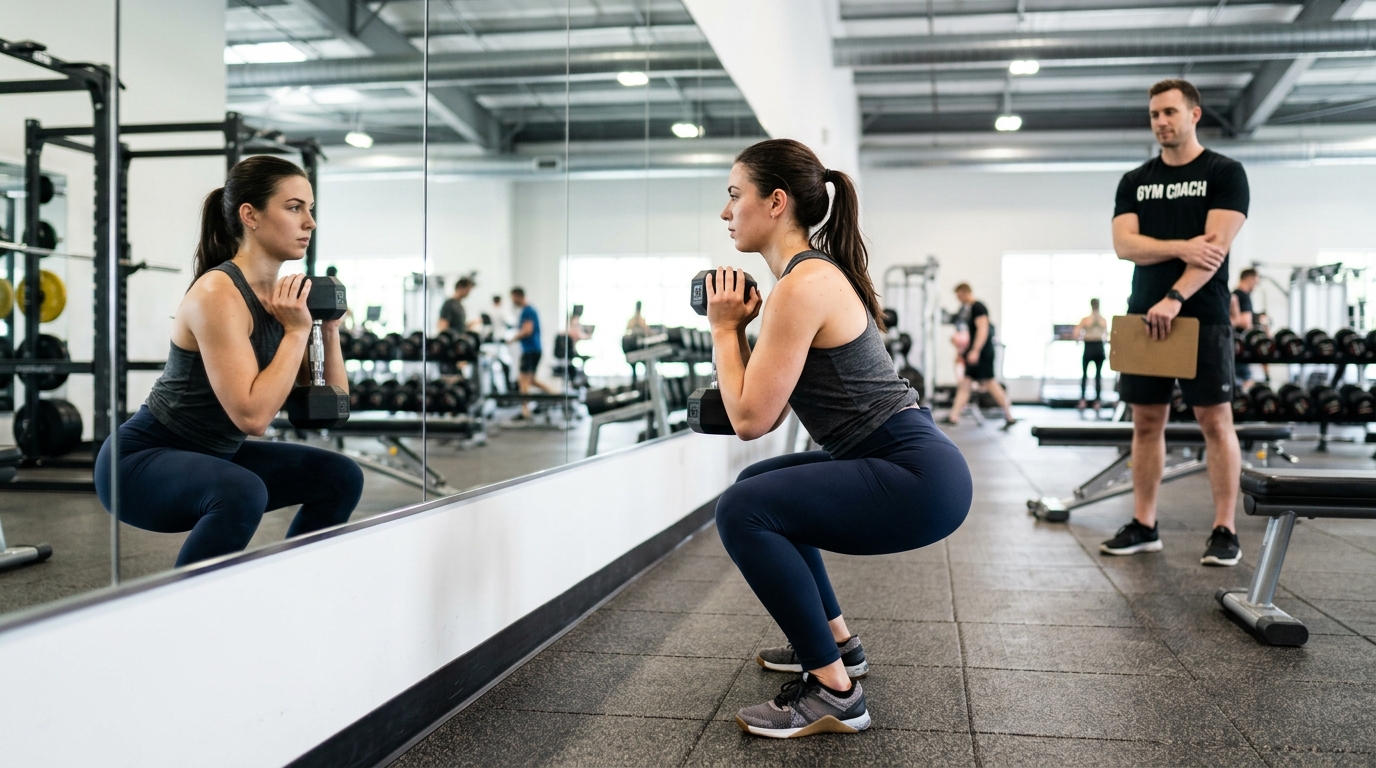
Pick a weight you can lift for 12 reps and still hold good form on the very last rep. If you have no idea where to start, grab something that feels almost too easy. You can always go heavier. You cannot un-throw out your back. For reference, I started goblet squats with a 15-pound dumbbell and thought I was being conservative. I was not. My legs were sore for four days. Start light, add weight next session, repeat.
Learn Two or Three Machines Properly Instead of Ten Poorly
Trying to use every piece of equipment on your first visit is a trap. You will learn nothing and feel overwhelmed. Pick two or three machines, figure out how to adjust them correctly, and actually understand the movement before moving on.
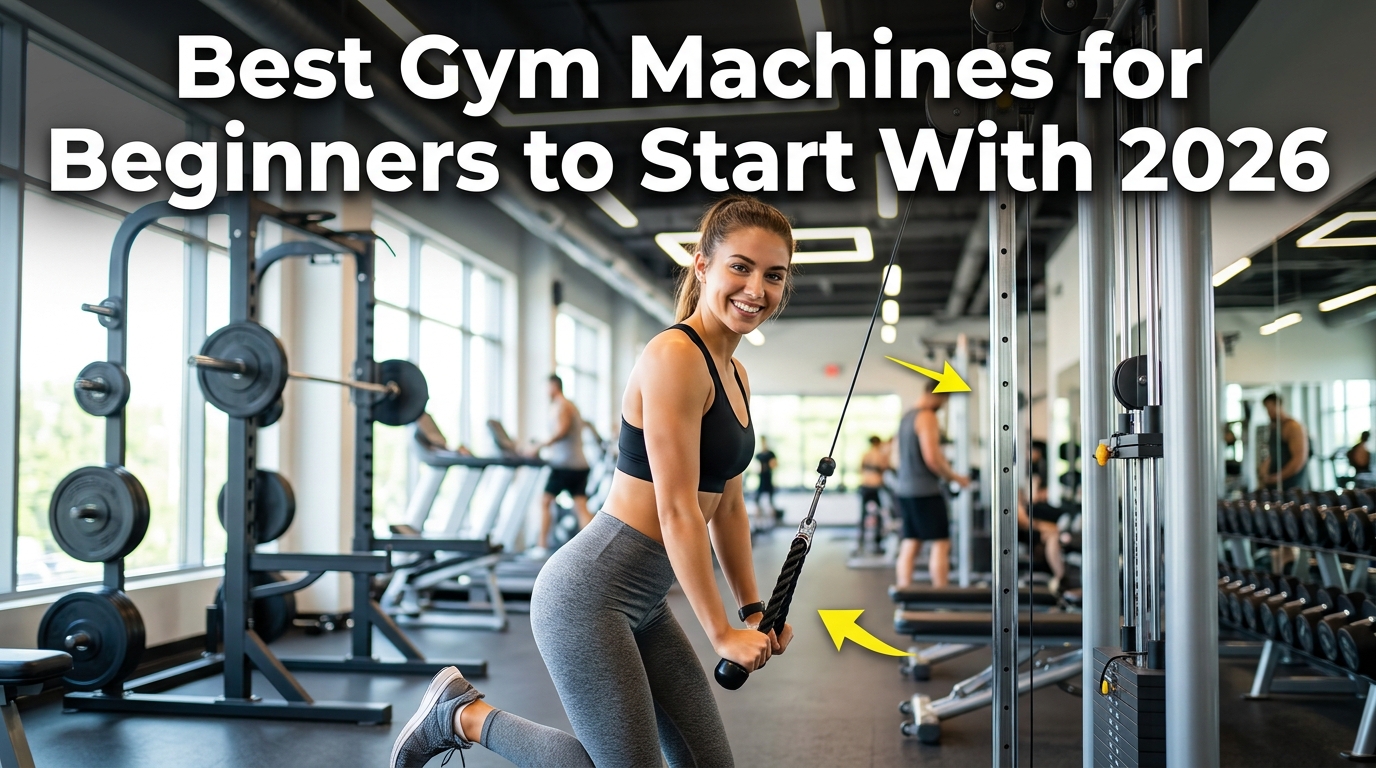
The cable machine is worth learning early because it is incredibly versatile. You can do rows, pulldowns, face pulls, and tricep pushdowns all from one station. Ask a staff member to show you how it works if you’re not sure. Gyms hire people specifically for this. Nobody will think it is a strange request.
Managing the Mental Side of Walking In
Here is the honest truth: everyone in that gym is focused on themselves. The person deadlifting twice their bodyweight is thinking about their grip, their breathing, and whether they ate enough that morning. They are not watching you.
I spent my first three gym visits convinced everyone was staring at me. They were not. There is actually a name for this feeling, the spotlight effect, and it is one of the most well-studied psychological phenomena in social science. Your brain dramatically overestimates how much attention other people are paying to you. The gym is full of people in their own heads, running their own mental commentary. Nobody has space left over to critique your squat form.
Headphones help enormously for the mental side. A good playlist or a podcast you love creates a bubble that makes the whole environment feel less exposed. I used Spotify’s Beast Mode playlist for the first two months and it worked better than any pre-workout supplement.
What to Actually Do With Your Time There
A solid first session should run 45 to 60 minutes total. That includes your warm-up, your workout, and a few minutes to cool down and stretch. Going longer is not better when you are brand new. Your nervous system is adapting to new movements, your muscles are doing unfamiliar things, and more volume just means more soreness and slower recovery.
A realistic first session timeline:
- 10 minutes of light cardio to warm up, treadmill or bike works perfectly
- 30 to 35 minutes of your five planned exercises, 3 sets each
- 10 minutes of stretching, hip flexors, hamstrings, and chest all benefit from this after a first session
Leave while you still feel good. Leaving on a high note matters more than you think. Your brain will associate the gym with feeling capable and energized, not exhausted and broken, and that makes showing up for session two significantly easier.
Bring the Right Stuff and Skip the Unnecessary
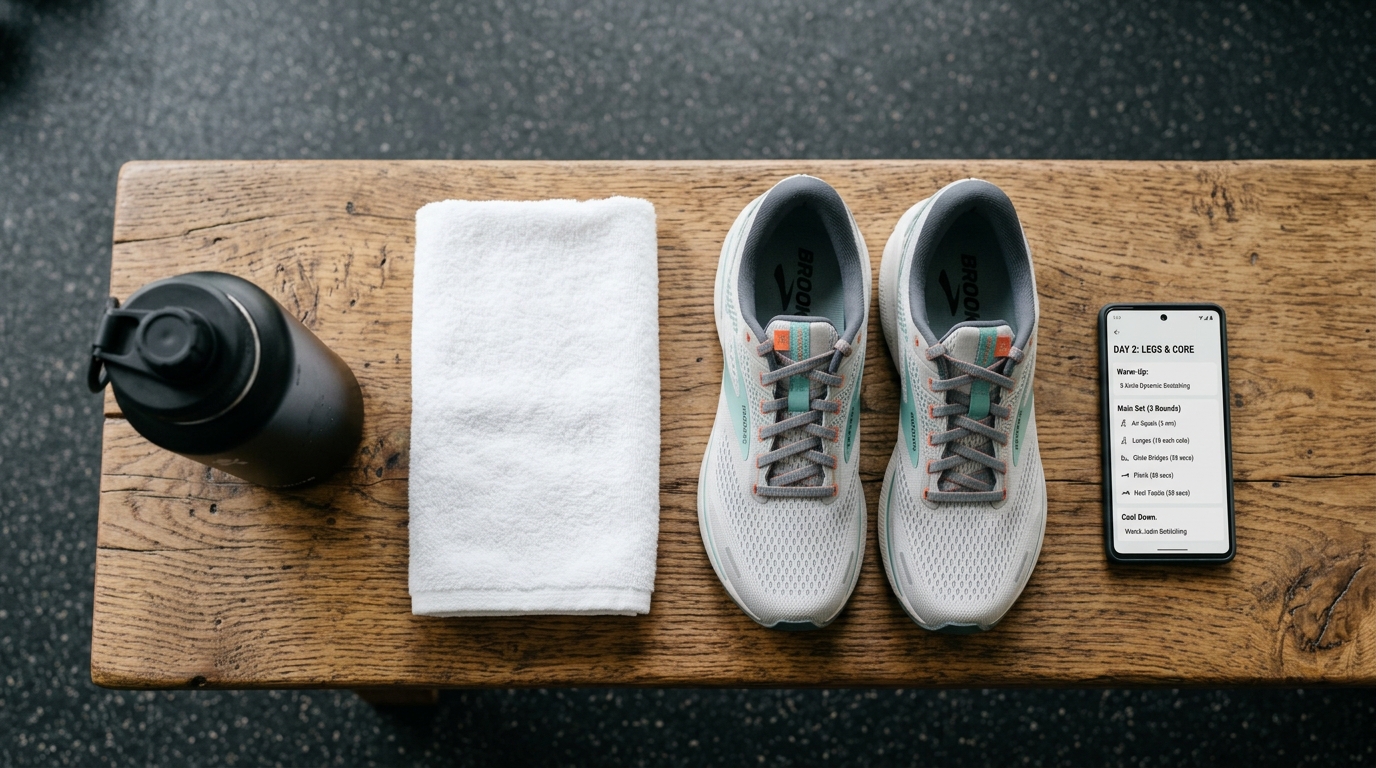
You do not need a gym bag that looks like you’re moving apartments. For your first session, the essentials are genuinely simple:
- Water bottle, a large one, hydration matters more than most people realize during their first few workouts
- A small towel to wipe down equipment after use, most gyms require this
- Comfortable, non-slip athletic shoes, running shoes work fine to start
- Your workout plan pulled up on your phone
FYI, gym gloves are optional and mostly personal preference. Chalk is typically reserved for more advanced lifters. A lifting belt on your first day would be a bit like showing up to a beginner cooking class with a chef’s knife roll. Save those things for when they actually become relevant.
FAQs
What to do on your first day at the gym if you have no experience at all?
Start with a warm-up walk or slow bike, then do 3 to 5 basic dumbbell exercises using light weight. Goblet squats, dumbbell rows, and a chest press cover most of your major muscle groups. Keep the session under an hour, write down what you did, and go back within two days while the movements are still fresh.
Should I hire a personal trainer for my first gym session?
One or two sessions with a trainer is genuinely worth the money if your budget allows it. They can correct your form on foundational movements before bad habits develop. You do not need ongoing weekly sessions, but a single orientation with a qualified trainer can prevent months of doing exercises wrong without realizing it.
How sore will I be after my first gym session?
Expect some soreness 24 to 48 hours after your first session, especially in your legs and any muscle group you worked hard. This is called DOMS, delayed onset muscle soreness, and it fades as your body adapts over the following weeks. Light walking and staying hydrated help more than complete rest.
Is it weird to ask gym staff for help?
Not even slightly. Asking staff how to use a machine or adjust a cable is completely normal and they genuinely expect it. Gym employees would rather answer a quick question than watch someone use equipment incorrectly and hurt themselves. Most are friendly and happy to help, especially with newer members.
How many days a week should I go after my first session?
Two to three times per week is ideal when you’re starting out. Your body needs rest days to recover and adapt, especially in the first month. Going every single day when you’re new usually leads to burnout or overuse soreness that makes continuing much harder than it needs to be.
Conclusion
Your first gym session does not need to be perfect, impressive, or Instagram-worthy. It just needs to happen, and then happen again a few days later. The people you eventually look up to in that gym all had a first day exactly like yours. What did your first gym experience feel like, or what’s making you nervous about going for the first time?


Leave a Reply